The nation of Burkina Faso is now at the center of a major global power struggle. It is located in West Africa, in a region called the Sahel. The country is facing terrible violence from armed extremist groups. This has caused a huge need for humanitarian aid.
But the government in Burkina Faso is led by the military. They are now taking strong action against many international groups. They say that some Western aid organizations are actually spies. This fight over aid and espionage is creating a deep geopolitical rift. It is splitting West Africa into two different camps.
The Spying Allegations: A Deep Mistrust
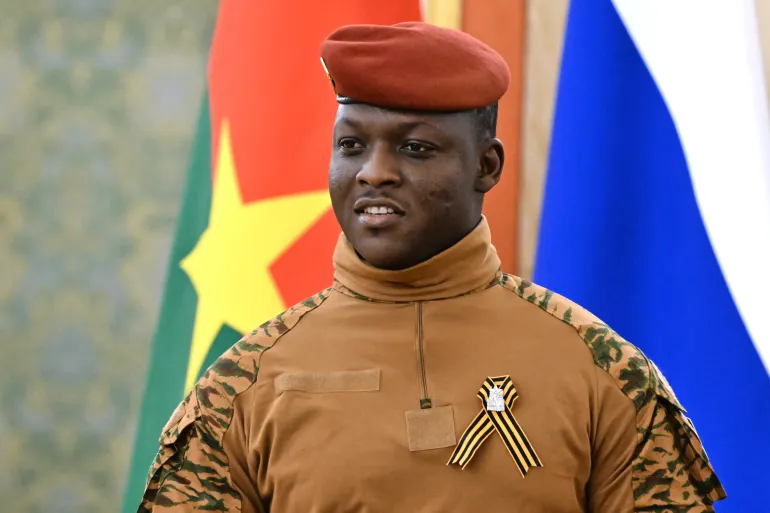
The military government, led by Captain Ibrahim Traoré, has made a shocking claim. They say that foreign Non-Governmental Organizations (NGOs) are not just helping people. It is secretly gathering military information. They are passing this sensitive data to foreign powers.
This claim hit the headlines with major arrests. The government detained several aid workers, including Europeans. These workers were part of a Dutch-based group called the International NGO Safety Organisation (INSO). The government says these workers were mapping troop movements. They were tracking military operations. INSO, which provides safety guidance to other aid groups, strongly denies these charges. They say their work is only to keep humanitarian staff safe.
This is not the first time this has happened. Burkina Faso had already expelled French troops. They also restricted foreign media like the BBC. The arrests show a growing mistrust of Western organizations. The government sees them not as helpers, but as tools of foreign influence and maybe even spying.
The Alliance of Sahel States (AES) Burkina Faso
Burkina Faso is not alone in this fight against Western influence. It has joined forces with its neighbors, Mali and Niger. These three nations have all experienced recent military takeovers, or coups. They have formed a new group called the Alliance of Sahel States (AES).

The AES has two main goals:
- Strategic Autonomy: They want to choose new security and economic partners. They are moving away from the West. They are now deepening ties with Russia and also increasing cooperation with countries like China and Turkey. Russian military support, sometimes through the rebranded Africa Corps, is helping them fight the extremist groups.
The AES states have even withdrawn from ECOWAS. ECOWAS is the main economic group for West Africa. This move shows how serious this split is. They are creating their own power bloc that is completely separate from the Western-aligned countries.
The Coastal Bloc: ECOWAS and Western Ties Burkina Faso
On the other side of this new split are the coastal states of West Africa. Countries like Ghana, Nigeria, and Côte d’Ivoire (Ivory Coast) are still part of ECOWAS. They still have strong ties with the European Union and the United States.
These countries are very worried about the situation in the Sahel. They fear the violence from the extremist groups will spread to their borders. They are also concerned that the AES’s anti-Western movement will cause instability in the whole region.
The rift is now ideological. The AES calls for pan-Africanism and less foreign influence. The coastal states favor the old way of doing things, with more focus on regional cooperation through ECOWAS and partnership with the West for economic growth.
The geopolitical struggle in West Africa is now a fight between these two visions:
- The AES Bloc: Pushing for strategic autonomy and new partners like Russia.
- The Coastal Bloc: Sticking with traditional alliances and regional integration through ECOWAS.

The Humanitarian Crisis and the Danger of the Rift Burkina Faso
The real victims of this geopolitical rift are the people of Burkina Faso. The country is one of the poorest in the world. Millions of people have been forced to leave their homes because of the fighting. They desperately need food, water, and medicine.
When the government restricts or kicks out international aid groups, it makes the suffering worse. Aid groups are now finding it much harder to reach the people who need help the most. Critics warn that the military’s focus on politics and accusations of spying is deepening the humanitarian crisis. It stops the work that saves lives.
The fight against extremism and the fight over global influence have become mixed up. The crackdown on NGOs shows that the military government prioritizes its sovereignty and its shift in alliances over keeping the door open to all aid.
A New Era of African Sovereignty
This whole situation signals a new era for Africa. For a long time, many African nations have relied heavily on their former colonial powers. Now, countries like Burkina Faso are demanding full control over their own security and information. They are ready to kick out partners they feel are not respecting their sovereignty.
While the methods—like the arrests of aid workers—are controversial, the message is clear. African leaders are looking for new friends who offer military help without demanding political control. The increasing presence of Russian military and Chinese economic investment shows this pivot.
Burkina Faso is now a new front in a global battle for influence. The West needs to find new ways to engage. They must respect African sovereignty while still providing the essential aid that millions need to survive. The coming years will show if the AES’s risky shift to new partners can truly bring stability to a region drowning in conflict.
Read More Articles Click Here. Read Previous Article Click Here.
