The world of finance faced a massive problem this week (Global futures).
The global markets for futures trading had to stop. The reason was simple: a huge technical failure.
The main company that runs these markets, the CME Group (CME), was hit by an hours-long outage. An outage means the system went completely dark. Trading could not happen.
This problem stopped billions of dollars in trading activity worldwide. It created huge concern about the security and reliability of the global financial system. Global futures
After a long delay, the markets finally reopened. But the event leaves many questions. What are futures? Why did this outage happen? And what does this failure mean for the future of world finance?
We will break down this complex story into simple parts.
The Outage: What Happened at CME? Global futures
The CME Group is a massive company. It runs some of the world’s most important financial exchanges. These exchanges handle trading for things like gold, oil, corn, and stock indexes.

The System Failure
The outage started without warning. All trading systems stopped working. Traders could not buy or sell.
The CME Group announced that they were dealing with a “technical issue.” This suggests a computer system problem. It might be a software bug or a hardware failure. Global futures
For the CME, their systems must work perfectly, 24 hours a day. Even a few minutes of downtime can cost billions of dollars. Global futures
The Impact on Trading
When the systems went down, trading came to a complete stop.
- Futures Contracts: The main product, futures, could not be traded. This meant that farmers, oil companies, and banks could not manage their risk. Global futures
- Global Halt: Because the CME is so big, the halt affected markets all over the world. Traders in London, Tokyo, and New York all had to wait. Global futures
The outage lasted for several hours. This is a very long time in the world of fast-moving finance. It caused major worry. Global futures
What Are Futures and Why Are They Important? Global futures
To understand the problem, we need to know what a “future” is.
Simple Definition of a Future
A future is a type of legal agreement. It is a promise to buy or sell something at a certain price on a certain date in the future.
- Example: A farmer wants to sell his corn in six months. He does not want the price of corn to drop before then. So, he sells a futures contract today. This guarantees him a price. If the price goes up later, he loses out on the gain. But if the price drops, he is safe. Global futures
Futures are used to manage risk.

The Importance of Futures Markets
Futures markets are crucial for the global economy. They cover nearly everything:
- Energy: Oil, natural gas.
- Food: Wheat, corn, soybeans.
- Finance: Interest rates, stock market indexes (like the S&P 500).
These contracts help stabilize prices. They help businesses plan. If these markets stop working, it means the whole global system for managing risk is suddenly frozen. This is why the CME outage was such a huge deal. It stopped a basic function of global commerce. Global futures
The Immediate Consequences of the Halt Global futures
The hours-long halt created two major problems as soon as the markets stopped.
1. Market Uncertainty
When a market closes suddenly, everyone gets nervous. Traders do not know what is happening to the price of oil or gold. They cannot make decisions.
This uncertainty forces banks and large financial companies to stop lending money. They worry that the price of their assets might suddenly drop when the market reopens. This is a huge, immediate stress on the entire system.
2. Operational Backlogs
When the CME systems finally came back online, there was a huge rush of activity. This is called a backlog.
All the trades that should have happened during the outage had to happen immediately. The computers had to handle a massive amount of buy and sell orders all at once. This rush can sometimes lead to:
- Price Jumps: Prices can change wildly in the first few minutes as the market catches up.
- New Errors: The massive rush of orders can sometimes cause new computer problems.
The CME had to work very slowly and carefully when reopening the markets. They needed to make sure the reopening did not cause a new crash.
The Trust Problem and Technology Risk Global futures
The CME outage highlights a growing problem in modern finance: the total reliance on technology.
The Trust Factor
Finance depends completely on trust. People must trust that their money is safe. They must trust that the system will work every second of every day.
When the exchange goes down, that trust is broken. People ask:
- Is the technology safe?
- Was this an attack? (Even if it was just a technical error, people worry about hackers.)
- Is the CME reliable?
The CME Group will have to spend a lot of time and money to explain exactly what went wrong. They must promise to fix their systems completely. If they do not, traders will start looking for other, more reliable exchanges.

The Human Element
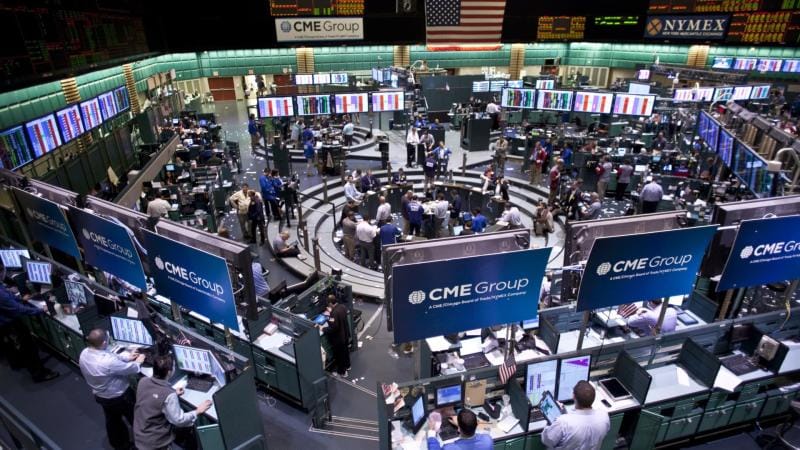
In the past, trading happened on a floor. Humans would shout and use hand signals to buy and sell. If the power went out, they could still trade by writing things down.
Today, nearly all trading is done by computers. When the computers fail, the market is completely paralyzed. This makes the entire financial system fragile.
This outage is a reminder that even the most powerful computers can fail. The consequences of that failure are now bigger than ever before.
The Future of Global Exchanges Global futures
The CME outage will lead to major discussions about the future of global exchanges.
Call for Redundancy
Exchanges will face pressure to build better redundancy. Redundancy means having backup systems that can take over immediately if the main system fails.
Think of it like an airplane. An airplane has two or three engines. If one fails, the others can still fly the plane. Financial exchanges need the same level of backup. They need a system that can take over trading in milliseconds, not hours.
Regulator Scrutiny
Government regulators—the people who oversee financial markets—will likely start a deep review of the CME. They will want to know why this happened and how the CME will guarantee it never happens again.
Regulators must ensure that the core foundations of the financial markets are strong. They must protect traders and the wider economy from these kinds of errors.
The CME outage was a scary moment for global finance. It showed that the system is powerful, but also fragile. The markets are back open now, but the financial world has been given a sharp reminder of the risks of relying too much on complex technology.
Read More Articles Click Here. Read Previous Article Click Here. Inspired by Al-Jazeera.
