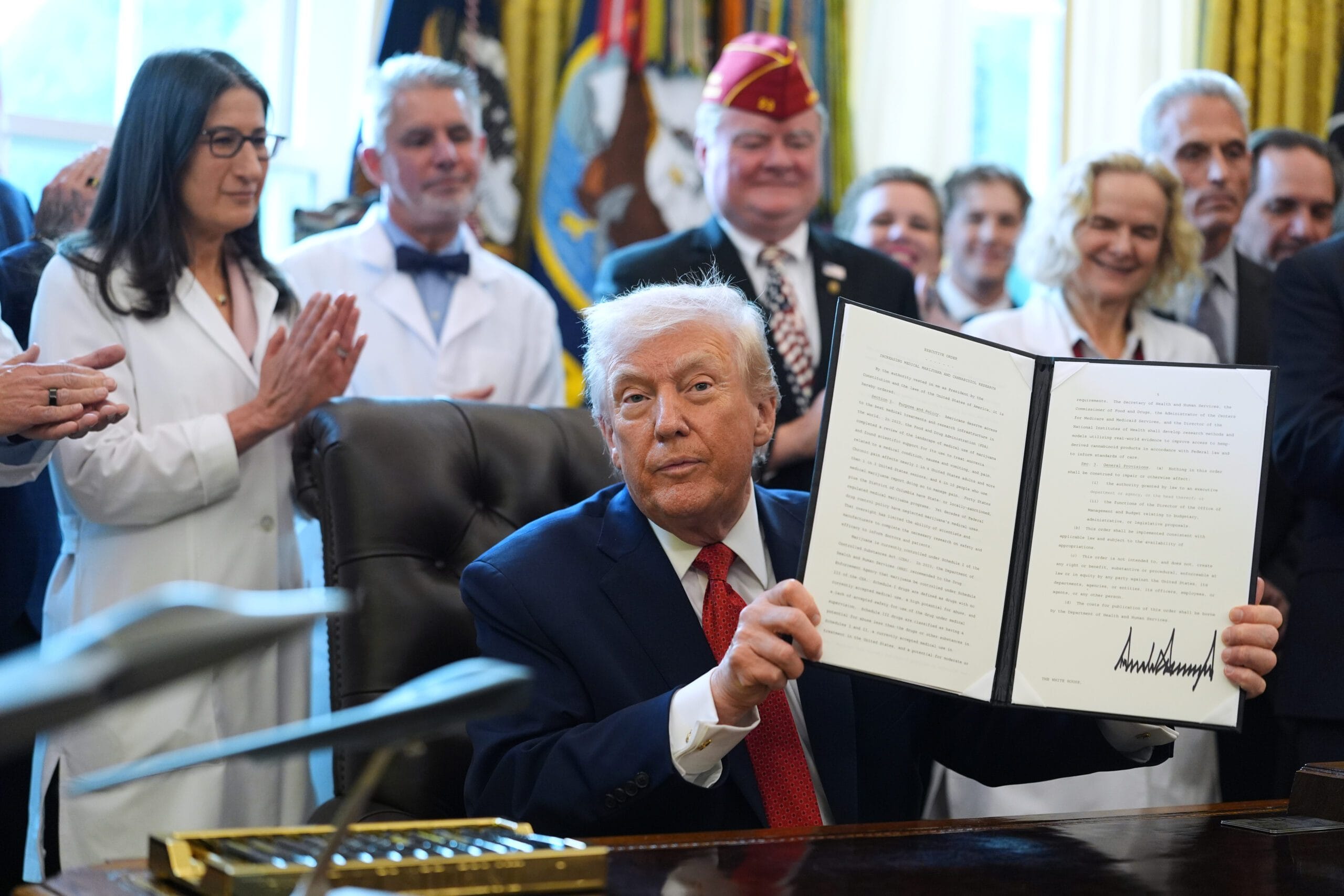
A Historic Signature
A major shift in drug policy has just happened in Washington (Marijuana). On Thursday, President Donald Trump signed a significant executive order. This new directive could change the future of marijuana in America forever. For decades, the federal government has treated cannabis as a dangerous drug with no value. However, this week’s action challenges that old idea. Trump officially ordered his administration to speed up the process of reclassifying marijuana.
Specifically, he wants to move it from a strict category to a much lighter one. This decision has sparked intense debate across the country. Supporters are cheering for progress, while critics are voicing serious concerns. Regardless of opinions, one thing is certain: the rules are finally changing.
From Schedule I to Schedule III
To understand this change, we must look at the “Schedules.” Since 1970, marijuana has been a “Schedule I” drug. This is the strictest category possible. It sits alongside deadly drugs like heroin and LSD. The government claimed it had “no accepted medical use.” However, Trump’s order directs the Attorney General to move it to “Schedule III.”

This lower category is for drugs with a moderate risk of abuse but real medical value. Other drugs in this group include Tylenol with codeine and ketamine. This shift is huge because it officially admits that marijuana can be medicine. It is a formal recognition that the old classification was wrong.
Unlocking Medical Research
The biggest winner in this deal is science. For years, scientists have struggled to study marijuana. Because it was a Schedule I drug, getting approval for research was a nightmare. They had to jump through endless hoops and fill out mountains of paperwork. Consequently, we still do not know enough about the plant’s full potential. Trump’s order aims to tear down these walls.
It explicitly directs agencies to make research easier and faster. The President stated that this will allow us to study benefits, dangers, and new treatments. Therefore, we might soon see a boom in medical discoveries. Doctors will finally get the hard data they have been asking for.
Easing the Tax Burden for Businesses
This move is also a lifeline for cannabis companies. Right now, legal marijuana businesses face a unique financial problem. A tax rule called “Section 280E” forbids them from deducting normal business expenses. They cannot write off rent, payroll, or advertising like a regular coffee shop can. This has made it very hard for them to make a profit. However, moving to Schedule III would fix this.
If the change happens, these businesses could finally claim standard tax deductions. This would save the industry hundreds of millions of dollars every year. As a result, companies could hire more workers and lower prices for patients. It is a potential game-changer for the economy.
Banking Woes Might Improve
Besides taxes, banking is another headache for the industry. Most big banks refuse to work with marijuana companies. They are afraid of breaking federal money laundering laws. Because of this, many dispensaries are forced to operate in cash only. This is dangerous and inefficient. While reclassification does not solve this problem completely, it helps significantly.

Banks are generally more willing to work with Schedule III businesses than Schedule I criminals. Furthermore, this move signals to Congress that the White House supports the industry. It could build momentum for new laws, like the SAFER Banking Act, which would give banks full legal protection.
CBD and Senior Care Marijuana
The executive order also touches on CBD. This is a chemical in cannabis that does not make you high. It is popular for treating pain and anxiety. Trump’s plan includes a special pilot program for seniors. Starting in April 2026, Medicare might reimburse some patients for specific hemp-derived CBD products. This is amazing news for older Americans who struggle with chronic pain.
It acknowledges that seniors are some of the biggest users of these products. By helping them pay for it, the government is accepting CBD as a legitimate health tool. This small step could lead to broader insurance coverage in the future.
It Is Not Full Legalization
It is important to clarify what this order is not. It is not full legalization. Even under Schedule III, marijuana remains a “controlled substance.” You cannot just grow it in your backyard without rules. Recreational use will still be illegal under federal law. The President made it clear that this is about medical use and research, not a free-for-all.
People can still be arrested for trafficking without a license. Additionally, state laws will still vary wildly. Some states allow it, while others ban it completely. This federal move does not force states to change their local laws. Therefore, the “patchwork” of different rules across the map will continue for now.
Political Reactions: A Mixed Bag
The reaction in Washington was swift and divided. Surprisingly, some Democrats praised the Republican President. Chuck Schumer, a top Democrat leader, called the move “long overdue.” He has wanted this change for years. On the other hand, some of Trump’s own party members were unhappy. A group of Republican lawmakers wrote a letter urging him to stop.

They argued that marijuana is addictive and harmful to children. They fear that rescheduling sends a message that the drug is “safe.” This shows that marijuana is no longer a simple partisan issue. The lines between the parties are blurring as public opinion shifts.
The Road Ahead: What Happens Next?
Signing the paper is just the first step. The process is not instant. The Drug Enforcement Administration (DEA) must now follow the legal steps. They have to review the evidence and propose the final rule. This usually takes months. Furthermore, there will likely be lawsuits. Opponents who hate marijuana might sue to stop the change.
They will argue that the science does not support the move. Trump’s administration will have to defend the order in court. However, with the President’s direct command, the agencies will likely move faster than usual. We could see the official reclassification happen sometime in 2026. Marijuana
A New Era for Cannabis
In conclusion, this executive order is a turning point. It ends fifty years of strict prohibition policy. By acknowledging the medical value of marijuana, the government is catching up with reality. Millions of Americans already use these products for their health. Now, the laws are finally starting to reflect that.
While it falls short of full legalization, it solves major problems for researchers and businesses. The path forward will have challenges, but the direction is clear. America is moving away from the “War on Drugs” approach. Instead, it is moving toward a future of research, regulation, and medical acceptance. Marijuana
Read More Articles Click Here. Read Previous Articles Click Here.

