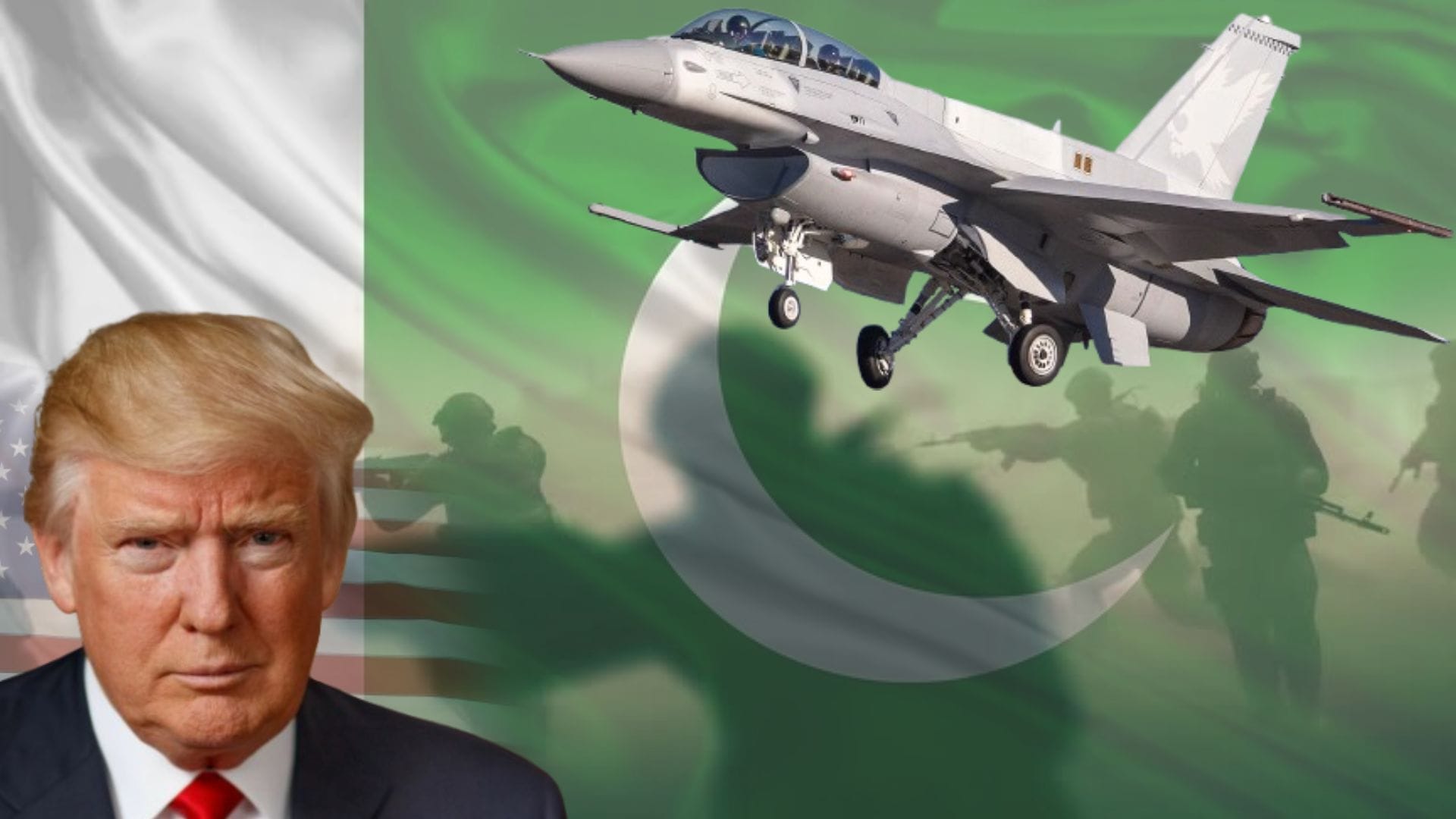
The United States government has approved a significant defense package for Pakistan (Old Jets). The deal is worth $686 million. Its purpose is to upgrade and sustain Pakistan’s existing fleet of F-16 fighter jets. This is not a sale of new planes. It is a package of advanced technology, software, and support for jets that Pakistan already owns.
This decision, coming from the US, has naturally caused a stir, especially in India. India and Pakistan have a long and difficult history. Any military boost to one side is always seen as a threat by the other. The big question on everyone’s mind is: Is this a simple maintenance deal, or is the US sending a clear message to its increasingly important partner, India?
What Exactly is in the $686 Million Package?
The official purpose of the package is to modernize Pakistan’s F-16 fleet. These are older jets that need updates. The money will pay for a lot of services and equipment, including:

- Avionics Updates: New computers and systems that help the plane fly and fight better.
- Link-16 Systems: This is a secure, jam-resistant digital network. It lets the F-16s talk in real-time with other US and allied forces during missions. This is key for working together.
- Logistical Support: This covers spare parts, engineering help, and training for the Pakistani Air Force until the year 2040.
- Safety Upgrades: Crucial work to fix critical flight safety problems and keep the jets in the air for longer.
The US Defense Security Cooperation Agency (DSCA) told Congress that the sale is mainly about interoperability and counterterrorism. This means they want Pakistan’s jets to be able to work smoothly with US forces in case of a joint operation. They stressed that this package will “not alter the basic military balance in the region.”
Why is the US Doing This Now?
The timing and the sheer size of the package make it an important political statement. The US has two main reasons for pushing this deal now:
1. Supporting a Key Counterterrorism Partner
Pakistan has been a key partner for the US in fighting terrorism in the region, especially near its western border. For Washington, keeping Pakistan’s F-16 fleet operational is an essential part of its strategy to maintain stability.
- Interoperability: The Link-16 system is a clear sign that the US wants to keep a working military relationship. It ensures that if the US needs to quickly cooperate with Pakistan on a security issue, the systems will match up.
- Safety and Life Extension: By helping Pakistan keep its Block-52 and Mid-Life Upgrade F-16s flying until 2040, the US ensures that a trusted fleet remains active.
2. Balancing Geopolitical Ties
In recent years, the US has greatly deepened its defense and trade ties with India. India is seen as a key strategic partner to balance the growing influence of China. This focus on India had sometimes cooled US relations with Pakistan.

- A Rebalancing Act: Approving this deal is a way for the US to show Pakistan that it is still valued as a security partner. It keeps the door open for cooperation with Islamabad even as the US grows closer to New Delhi.
- Transactional Relationship: The US-Pakistan relationship is often described as “transactional,” meaning it is based on specific needs, like counterterrorism. This F-16 deal is a clear transaction that serves those needs.
The Indian Reaction: Is It a Message?
The Indian government is closely watching the deal. For India, any US arms sale to Pakistan is a concern because the F-16s are used near the disputed border between the two countries.
Why India Worries
- Operational Readiness: The upgrade ensures Pakistan’s F-16s are in top shape. In the event of a conflict, India knows its rival’s air force will be more effective and safer to fly.
- Advanced Systems: The addition of systems like Link-16 gives Pakistan’s pilots better battlefield awareness and coordination. This enhances the aircraft’s combat ability, even if the US insists it is not a “new” offensive capability.
- Trust and Reliability: Despite US assurances, the deal raises old questions in New Delhi about Washington’s long-term reliability. India sees the US as trying to play both sides in a tense region.
The US Assurance
The US Defense Security Cooperation Agency has tried to calm India’s fears by saying the package is purely for sustainment. They emphasize that the deal does not add any new F-16s or weapons that would shift the basic military balance.
India, however, is building its own strong defense forces. It is also buying advanced weapons from the US, France, Russia, and Israel. Only weeks before the Pakistan F-16 news, the US approved a smaller, potential $93 million arms sale to India for things like Javelin Missile Systems. This shows the US trying to keep both major South Asian countries happy.

What Happens Next?
This $686 million deal is a clear sign that the US views South Asia through two lenses:
- Countering Global Powers: The US needs India as a strong economic and military partner to balance China.
- Maintaining Regional Stability: The US still needs Pakistan’s help to manage the complicated security situation, especially concerning terrorism.
The F-16 upgrade for Pakistan is likely not a direct “message” meant to anger or punish India. Instead, it is a complicated balancing act. It is a necessary, practical step to keep a long-time military partner stable and ready for specific tasks the US needs done. The US is trying to walk a fine line: strengthen a critical partner (India) while ensuring a necessary old partner (Pakistan) can still handle urgent security issues.
The deal now enters a 30-day review period in the US Congress. If it passes, it will become the next major chapter in the ever-changing, three-sided relationship between the US, Pakistan, and India.
Read More Articles Click Here. Read Previous Articles Click Here.
