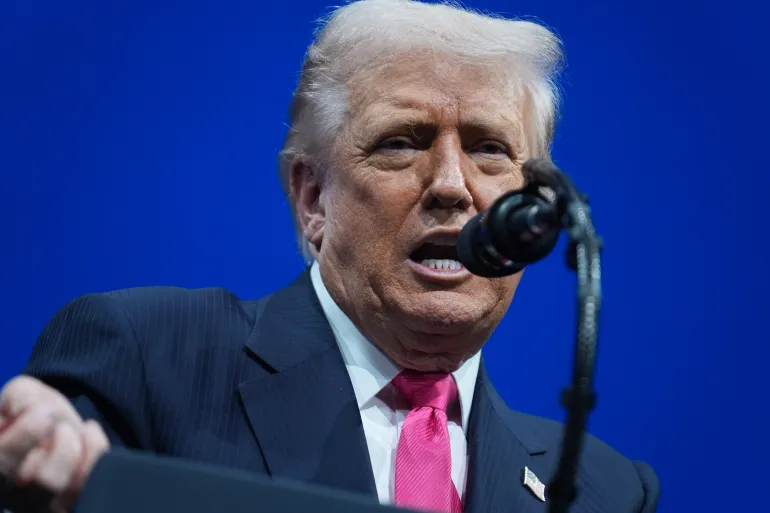
A major political fight happened in November 2025 (Seditious). This fight was between President Donald Trump and a group of Democratic lawmakers. These lawmakers are all military veterans. They know the military well.
They released a video. The video told all U.S. service members a simple rule. It told them they have a duty to refuse unlawful orders.
President Trump reacted in a huge way. He said their words were “seditious behavior.” Trump said this was like an act of war against the government. He suggested they were “traitors.” He demanded that they face the most serious legal actions.
The whole conflict is over one simple idea. Who does the military serve? Does it serve the President? Or does it serve the Constitution of the United States? The President saw the video as a challenge. He saw it as a challenge to his power as Commander-in-Chief.

The Democrats’ Video and the Law Seditious
The video was a direct message to the U.S. military members. The six Democratic lawmakers who made the video are all veterans. They understand military law very well.
The Message to Troops
The core of their message was not new. It was a simple statement of existing U.S. military law.
- The Oath: Every military member swears an oath. This oath is to the Constitution of the United States. They do not swear an oath to any single person, politician, or President.
- The Duty: The lawmakers told the troops, “Our laws are clear. You can refuse illegal orders. You must refuse illegal orders.”
- The Reason: The video came out because some of the Trump administration’s uses of the military had been questioned. For example, using the military for certain civilian roles was called into question by experts.
The Democrats were telling the troops to follow the law above all else. This meant they might have to question an order from the powerful chain of command.
The Legal Code: UCMJ Article 92 Seditious
The military’s legal code is called the Uniform Code of Military Justice (UCMJ). This code supports the message in the Democrats’ video.
- Duty to Obey: UCMJ Article 92 is the law about disobeying orders. It says soldiers must obey superior officers. This is vital for military order.
- Duty to Disobey: But the law also says a soldier has a duty to disobey an order if it is “manifestly unlawful.” This means the order is so clearly wrong that everyone would know it is illegal. An order to hurt innocent people would be an example.
- The Risk: The problem is that troops who refuse an order risk being charged with disobedience. They must be sure the order is illegal. The lawmakers simply made it clear: the military oath to Constitution is the highest rule.
Why Trump Called the Comments ‘Seditious’
President Trump’s reaction was fierce. He called the video “seditious behavior” and called the lawmakers “traitors.” His anger was intense. He saw the video as a direct challenge to his personal power.
1. Undermining the Chain of Command Seditious
The military relies on following orders instantly. This is the chain of command challenge. Soldiers must follow orders without question to maintain safety and control.
- The President’s View: President Trump saw the advice to question an order as an act of disloyalty. He sees himself as the ultimate authority. The White House said the lawmakers were encouraging military members to “defy the president’s lawful orders.”
- Chaos Claim: The administration argued that encouraging troops to refuse illegal orders “could inspire chaos” and break the structure that keeps the country safe.

2. The Power of the Word ‘Seditious’
The President’s choice of the word seditious is a key political strategy.
- Definition: Sedition is speech or action that aims to make people rebel against the authority of the state. It is a very serious charge.
- Trump’s Argument: By calling the message seditious, President Trump said the lawmakers were trying to make the military rebel against the government. This makes the Democrats sound dangerous to the country.
- The Law vs. Politics: Legal experts mostly agree that the video does not meet the legal definition of sedition. The video urges troops to uphold the law, not to overthrow the government. The President’s use of the word was strong political signaling. He used it to tell his base that his political opponents are actively working against the nation.
3. A Pattern of Demanding Retribution
President Trump has a history of demanding extreme legal action against people who criticize him.
- Demands for Punishment: The President’s social media posts suggested the lawmakers’ action was “punishable by DEATH.” This is a pattern. He demands the harshest punishment for his critics.
- The Warning: The President’s threats serve as a clear warning. The message is that questioning the actions of the administration, especially those involving the military, will be treated as a grave offense.
Oath To The Constitution
President Trump blasted Democrats for ‘seditious’ comments because he saw their video as a dangerous attempt to limit his power as Commander-in-Chief. The Democratic lawmakers were simply stating military law: soldiers have an oath to the Constitution and a duty to refuse unlawful orders.
The President interpreted this legal reminder as a call for rebellion against him personally. His labeling of the action as “seditious behavior” was a way to aggressively defend the chain of command and signal that he will treat any political opposition that touches on the military as a betrayal of the country. This conflict shows the deep tension between the President’s view of his power and the rule of law.
Read More Articles Click Here. Read Previous Article Click Here.
