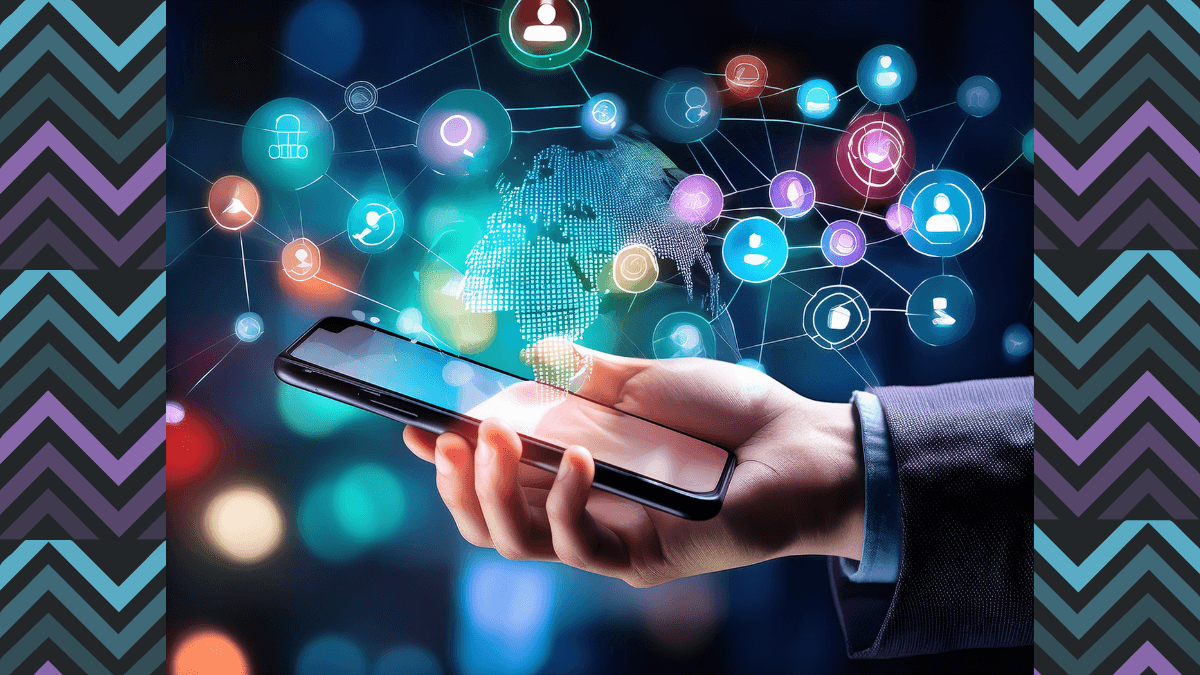
In the quiet halls of traditional fashion houses, the seasonal calendar used to be law. Designers spent six months crafting a collection, editors spent weeks curate-ing magazine spreads, and the public waited months to see what was “in.” That world is gone.
Today, a single 15-second clip on a smartphone can render a global supply chain obsolete or ignite a multi-million dollar demand for a specific shade of “Transformative Teal” by sunset. We are living in the era of real-time fashion, where the gap between a trend’s birth and its peak has shrunk from months to mere hours.
How Fashion Trends Now Start Online
The runway is no longer a physical stage in Paris or Milan; it is a digital vertical feed. On platforms like TikTok and Instagram, fashion has moved from a top-down hierarchy to a chaotic, democratic loop. Trends often begin in the bedrooms of Gen Z creators who “thrift flip” vintage garments or remix aesthetics like “Indie-Sleaze” and “Donda-core.”
This shift has birthed the “micro-trend,” a phenomenon where specific aesthetics—think “Coquette-core” or “Eclectic Grandpa”—gain massive traction and disappear just as quickly. The discovery of these styles happens through social search, where users bypass traditional search engines to find style inspiration directly on social apps. Because anyone with a phone can be a trendsetter, the barriers to entry have vanished, allowing niche subcultures to influence global retail stock in real-time.
The Role of Algorithms in Real-Time Trend Cycles
If human creativity is the fuel, then the algorithm is the engine. Modern social platforms use sophisticated recommendation systems to identify high-engagement content and amplify it to millions of users who share similar interests. This creates a feedback loop: when the algorithm detects a surge in “layered tops” or “hockey jerseys,” it feeds that content to more users, accelerating the trend’s adoption at an exponential rate.
This algorithmic curation has fundamentally changed the speed of the fashion cycle. Traditional trends followed a “trickle-down” model from luxury brands to high-street retailers. Now, we see “bubble-up” trends, where the algorithm identifies a viral DIY look and pushes it into the mainstream. However, this speed comes with a cost—trend fatigue. When a look is served to everyone simultaneously, it reaches a saturation point almost instantly. Leading to a rapid decline in interest as users move on to the next viral moment.
Influencers, Micro-Creators, and Viral Fashion Moments
The “Big Four” fashion magazines have been replaced by a decentralized network of tastemakers. While celebrity influencers still hold power, 2026 has seen the rise of the micro-creator—individuals with smaller but hyper-engaged audiences. These creators are viewed as more authentic than traditional models, and their recommendations carry the weight of a trusted friend rather than an advertisement.
Viral moments are no longer just about the clothes; they are about the “story-building” around them. A creator showing a “day-in-the-life” while wearing a specific oversized blazer provides context that a studio photoshoot cannot. When a specific item, such as a “cargo belt bag” or “wedge heels,” goes viral, it is often because it solved a problem or fit into a specific narrative shared across the community. This creator-led momentum is the primary driver of digital fashion culture today.

How Consumers Shape Trends Instantly
Modern fashion is no longer a spectator sport; it is participatory. Through features like “Stitches,” “Duets,” and “Remixes,” consumers don’t just watch trends—they join them. When a new styling hack surfaces, thousands of users recreate it within 24 hours, providing immediate social proof and data to brands.
This participation has led to the rise of social commerce. Integrated “Buy” buttons and in-app shops allow a user to see a trend, find a version of it, and purchase it without ever leaving the app. This creates an “instant gratification” loop where consumer behavior is tracked in real-time. If a specific color or silhouette is being tagged in user-generated content, brands can see that data immediately, long before a sales report would ever flag it.
What This Shift Means for Brands and Designers
For established fashion houses and retailers, this real-time environment is both an opportunity and a crisis. The traditional six-month production cycle is incompatible with a trend that might only last three weeks. To survive, brands are adopting “agile manufacturing,” using data analytics to predict which viral moments have staying power and which are fleeting fads.
Designers are also shifting their creative processes. Many now act as “creative directors” for the internet, watching how their pieces are being styled by the public and adjusting future collections to match that reality. We are seeing more “see-now, buy-now” shows and limited-edition “drops” that mimic the scarcity and hype of streetwear culture. The focus has moved from telling consumers what to wear to listening to what they are already wearing and reflecting it back to them.
Related Trends and Industry Insights
- Digital Culture: The rise of “phygital” fashion and how AR try-ons are reducing return rates.
- Sustainable Shifts: How the “Slow Fashion” movement is using social media to fight back against ultra-fast fashion waste.
- Creator Economy: Why niche “Discord” fashion communities are becoming the new exclusive fashion clubs.
- External Reference: For deeper data on global retail shifts, the latest reports from The Business of Fashion provide comprehensive industry analysis.

The landscape of fashion has been permanently redrawn by the digital hand. As algorithms become more refined and creators gain more autonomy, the industry will continue to move away from static seasons toward a fluid, 24/7 conversation. For the modern consumer, this means more choice and more influence than ever before—but it also requires a new kind of digital literacy to navigate a world where what is “in” today may be “out” by the time the package arrives.
